Nov '25 • General discussion
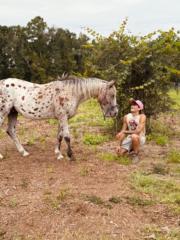
Horses Remember Human Faces !
📚 What the Science Shows
- A study by University of Sussex and University of Portsmouth found that horses not only recognise human facial expressions (happy vs. angry), but can remember a person’s previous emotional expression and change their behaviour accordingly when they meet the person later.
- In another study, horses were trained to identify photographs of their keepers’ faces, including keepers they hadn’t seen in six months, and they performed significantly better than chance — showing long-term memory of human faces.
- Research also shows horses can match a human’s facial expression with their voice in cross-modal tests (face + voice), indicating they likely recognise individuals and their emotional states through multiple cues.
💬 Quote from the research
“What we’ve found is that horses can not only read human facial expressions but they can also remember a person’s previous emotional state when they meet them later … Essentially horses have a memory for emotion.” — Professor Karen McComb, University of Sussex
🧠 Why This Matters for Us & Our Horses
- When your horse remembers you, they’re also remembering your energy, your tone, your past interactions. That means every approach, training session or grooming moment adds up.
- It highlights the importance of consistency, kindness and clarity in how we engage with them — because they notice, they remember.
- For horsemanship: this isn’t just “the horse knows me” — it’s “the horse chooses how to respond to me based on what they remember.” That opens up power for connection and trust-building.
- It offers a lens to evaluate our habits: if a horse seems wary or unengaged, maybe the memory trail we’ve built with them needs attention.
📝 Post Prompt for Your Community
🧮 Question time:
- Think about your horse: how do they react when they see you after a day off, or someone new comes into the barn?
- Have you ever noticed their body-language change depending on how you were feeling or behaving previously?
- This week: try entering their space with calm energy, note how they look at you (ears, eye gaze, posture) and post what you observed.
- Drop a short story: “That time my horse remembered me after ___ days/weeks and did ___”.
✅ Key Take-Home
Horses don’t treat our interactions as isolated moments. They’re archives.
When we show up with respect, clear energy, and consistency, we build a memory for them — one that encourages trust, responsiveness, and connection.
As you walk into the barn today, remember: you’re not just meeting your horse — you’re continuing the story you’ve already begun.
3
2 comments
Horses Remember Human Faces !
powered by
skool.com/no-bucks-given-hoofcamp-6560
Here we are Empowering horse owners to train with heart, build bonds, and find joy in horsemanship—no bucks, just better rides! So saddle up Buckaroo
Suggested communities
Powered by