
13d (edited) • General
PROMPT PARA PORTADAS (YT)
Image type: YouTube thumbnail, 16:9 aspect ratio, 4K resolution (3840×2160 px). Hyper-realistic photographic style.
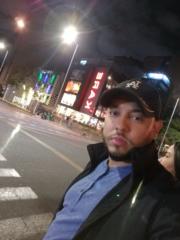
Core instruction: Recreate the composition of the attached reference image as a professional, eye-catching YouTube thumbnail. The reference image contains small text annotations with arrows pointing to specific zones — these are design directives, NOT elements to reproduce. Interpret each annotation as an instruction and apply it to the zone its arrow indicates.
SUBJECT — FACE & SKIN (highest priority)
- Facial fidelity is the absolute top priority. The generated face must be virtually identical to the reference: same bone structure, proportions, features, and expression. Zero deviation.
- Subtle skin retouch only: remove minor blemishes (acne, spots, uneven shine) while fully preserving natural pore texture and micro-detail. No plastic or airbrushed look. Skin must read as real skin under close inspection.
LIGHTING SETUP
- Key light: Cinematic, slightly warm color temperature (~4500K), positioned to sculpt the subject's features with dimensional shadows.
- Rim light: Subtle backlight behind the subject creating a thin, bright edge outline along the shoulders, hair, and silhouette — separating the subject from the background.
- Subject glow: A soft, radiant luminous halo emanating from directly behind the subject's upper body and head. The glow should be diffused (not a sharp circle), warm-toned, and spread outward gradually into the background. Intensity: bright enough to be clearly visible but not blown out — think divine/cinematic aura, not lens flare. The glow reinforces the subject as the undeniable focal point of the image.
- Background lighting: Noticeably dimmer than the foreground. Background elements receive only ambient fill light — no directional light sources hitting the background. This creates a strong luminance hierarchy: bright subject against subdued environment.
COLOR GRADING
- Cinematic color grade with rich, saturated tones and elevated contrast.
- Dramatic and captivating mood.
- Deep shadows with preserved detail (never crushed to pure black).
- Controlled highlights — no blown-out areas, even in the glow zone behind the subject.
DEPTH OF FIELD
- Simulate f/2.0–f/2.8 aperture.
- Sharp focus on: the subject, all text elements, and any foreground objects.
- Slight blur on: mid-ground elements.
- Notable gaussian blur on: background elements. The background serves as visual support, never competing for attention.
TYPOGRAPHY (only if text is present in the reference)
- Glossy text finish: subtle reflective surface on each letter, soft diffused drop shadow (no hard-edged shadows), and slight specular highlights on letter surfaces.
- Text must be fully legible, high visual impact, and stylistically coherent with the overall cinematic aesthetic.
- Do NOT add any title or text unless it is explicitly visible in the reference image.
VISUAL HIERARCHY (front to back, in order of prominence)
- Foreground (maximum priority): Subject + text + foreground elements → tack-sharp focus, full key light + rim light + glow behind subject, maximum contrast and saturation.
- Mid-ground: Slightly defocused, reduced lighting, lower contrast.
- Background (minimum priority): Notable blur, dim ambient-only lighting, desaturated relative to foreground. Serves purely as atmospheric context.
1
0 comments
PROMPT PARA PORTADAS (YT)

skool.com/negocio
Emprende o potencia tu negocio con el poder de la inteligencia artificial. Acceso por $19 hasta 50 miembros.
Próximo incremento: $34
Leaderboard (30-day)
1

+5
2

+2
3

+2
4
+2
5

+2
Powered by