
Jan 24 (edited) • General discussion
What Addiction Actually Does To The Brain
Addiction isn’t a lack of willpower.
It’s a brain adaptation — and understanding that changes everything.
🧠 1️⃣ The reward system gets hijacked
Drugs flood the brain with dopamine — the chemical linked to motivation and survival.
Over time, the brain learns:
This substance = relief / safety / reward
Natural rewards (food, connection, rest) stop registering the same way.
This isn’t a moral failure — it’s conditioning.
🔁 2️⃣ The brain rewires for survival
The brain’s job is to keep you alive.
When a substance repeatedly reduces pain, stress, or emotional overload, the brain prioritises it — even when consequences appear.
This is why people:
Crave despite knowing the risks
Relapse after long breaks
Feel “pulled” back even when they don’t want to
The brain is choosing what it thinks is survival.
📉 3️⃣ Tolerance increases, pleasure decreases
With repeated use:
Dopamine receptors become less sensitive
You need more for the same effect
Relief replaces pleasure
At this point, people often aren’t chasing a high —
they’re avoiding feeling worse.
⚠️ 4️⃣ Stress and impulse control are affected
Chronic substance use impacts areas responsible for:
Decision-making
Emotional regulation
Impulse control
This makes stopping feel impossible — especially under stress, trauma, or exhaustion.
This isn’t because someone “doesn’t care.”
It’s because their brain is under pressure.
🧩 5️⃣ The brain can heal — but it takes time
The good news:
The brain is plastic
Pathways can weaken
New ones can form
But healing doesn’t happen instantly — and it doesn’t require perfection.
Safety, stability, reduced harm, and support all help the brain recover.
❗ The most important truth
Addiction is not a character flaw.
It’s not a failure of values.
It’s a learned survival response that outlives its usefulness.
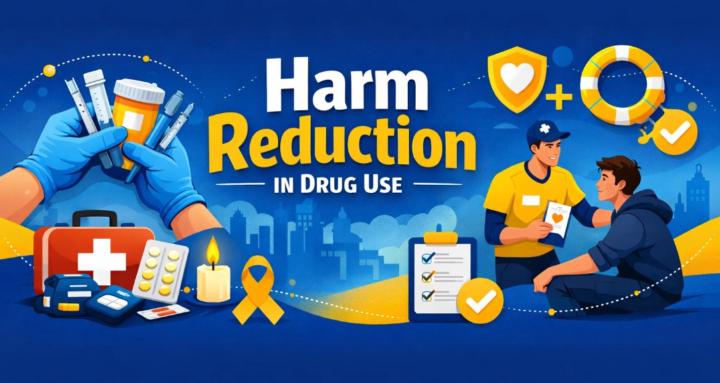
Harm reduction works with the brain — not against it.
Stay alive first.
Reduce risk.
Create space for change.
0
0 comments
What Addiction Actually Does To The Brain
skool.com/harm-reduction-in-drug-use-1152
I share practical tips, personal insights, and supportive strategies for navigating substance use without judgment.
Powered by