
Jan 24 • General discussion
How Trauma and Addiction Overlap (And Why This Matters)
Trauma and addiction are deeply connected — not because trauma causes addiction, but because the brain learns how to survive.
Many people don’t use drugs to feel good.
They use them to feel less bad.
🧠 1️⃣ Trauma changes the nervous system
Trauma can leave the body stuck in:
Fight
Flight
Freeze
Shutdown
This can look like:
Constant anxiety or hypervigilance
Emotional numbness
Panic, anger, or dissociation
Trouble sleeping or feeling safe
Drugs can temporarily quiet these states — and the brain remembers that.
🔁 2️⃣ Substances become coping tools
When something reliably:
Reduces fear
Numbs emotional pain
Slows racing thoughts
Creates relief or control
…the brain logs it as useful for survival.
This is how substance use shifts from choice → habit → compulsion.
Not because someone is weak — but because it worked.
📉 3️⃣ Trauma lowers tolerance for distress
Trauma makes everyday stress feel overwhelming.
When distress tolerance is low:
Cravings hit harder
Relapse risk increases
“White-knuckling” sobriety becomes exhausting
This is why shame-based approaches fail — they increase stress, which increases use.
⚠️ 4️⃣ Stopping use can worsen trauma symptoms
For many people:
Anxiety spikes
Flashbacks intensify
Emotions feel unmanageable
This is often mistaken for “failure,” when it’s actually the nervous system losing its coping strategy.
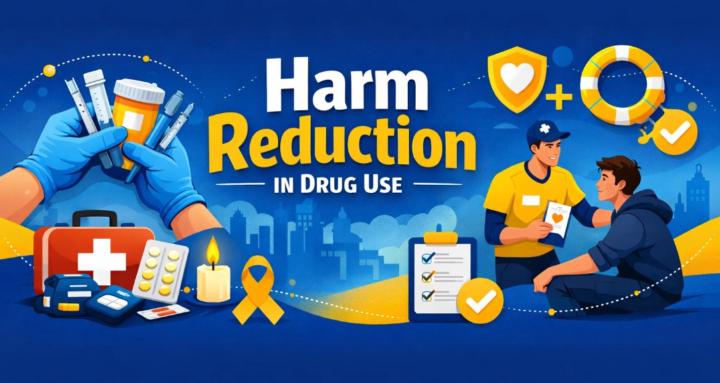
This is why harm reduction matters.
🧩 5️⃣ Safety comes before healing
You can’t heal trauma in survival mode.
Harm reduction helps by:
Reducing risk
Creating stability
Supporting the nervous system
Keeping people alive long enough to heal
Healing doesn’t require abstinence first.
It requires safety first.
❗ The truth
Trauma-informed care asks:
“What happened to you?”
not
“What’s wrong with you?”
Addiction is often an adaptation to pain — not a failure of character.
Harm reduction gives people: Time.
Breathing room.
Choice.
And that’s where real change becomes possible.
0
0 comments
How Trauma and Addiction Overlap (And Why This Matters)
skool.com/harm-reduction-in-drug-use-1152
I share practical tips, personal insights, and supportive strategies for navigating substance use without judgment.
Powered by