22d (edited) • Tradecraft
The Get Home Bag: A SERE Instructor's Framework for Urban Survival
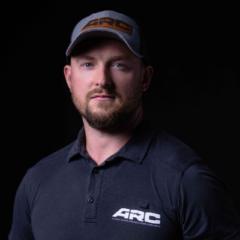
By Michael Caughran, Former USAF SERE Specialist
After years of teaching survival, evasion, resistance, and escape to military personnel, and now training executives and high-net-worth individuals through Grey Man Academy, I've learned that survival preparation isn't about having the most gear—it's about having the right gear organized around proven principles along with the skills and will to use it when it matters most. The get home bag represents one of the most practical applications of survival planning for everyday life, yet it's often misunderstood or over-complicated.
Defining the Mission: What Is a Get Home Bag?
The purpose is right there in the name—this is your lifeline to get back to friendly control when chaos erupts. Unlike a bug-out bag designed for extended displacement or an INCH (I'm Never Coming Home) bag for permanent relocation, the get home bag serves a specific 24-72 hour mission: navigate through urban chaos, natural disasters, or civil unrest to reach your home, family, or designated safe location.
Throughout my military career and now in private sector training, I've witnessed how quickly normal situations can deteriorate. A routine business trip becomes a survival scenario when targeted by a criminal element. Your daily commute transforms into a multi-day trek when transportation systems collapse under the weight of natural disasters. The get home bag bridges that critical gap between everyday carry items and full survival loadouts.
The key principle I emphasize to my students is mobility. In the military, we had a saying: "Mobility is life." Every piece of gear must earn its place through utility-to-weight ratio. If you're weighed down like a pack mule, you've already failed the mission. Speed and adaptability trump having every possible contingency covered.
The Five Basic Survival Needs Framework
One of the many great frameworks that I've continued to refine are the Basic Survival Needs, five essential categories: Communications, Health, Personal Protection, Sustenance, and Travel. This framework ensures comprehensive preparation without redundancy or critical gaps.
Communications: Your Lifeline to Intelligence
In any crisis, information becomes currency. Your ability to gather intelligence, coordinate with others, and call for assistance can mean the difference between a two-hour detour and a two-day ordeal.
Start with redundancy. Your primary phone is vulnerable—towers fail, batteries die, networks overload. That's why I carry a Wuxun radio (a more robust variant of the popular Baofeng) for line-of-sight communications and emergency channel monitoring. During civil unrest, monitoring emergency frequencies provides real-time intelligence on road closures, danger zones, and safe passages.
For situations where traditional infrastructure completely fails, satellite communication becomes invaluable. The Garmin InReach Mini provides text messaging via satellite—not voice, but sufficient for emergency coordination. Yes, it requires a subscription, but what's your safety worth?
Don't forget power management. A quality battery bank like the Goal Zero units can keep your devices operational for days. For extended situations, consider models with solar panels or hand-crank generators. And here's a professional tip: keep your sensitive electronics in a Faraday bag. An EMP event might be unlikely, but the bag also provides waterproofing and organization.
Health: Keeping Yourself Operational
In SERE school, we taught that the human body is your primary survival tool. Everything else is just an enhancement. Your get home bag health preparations divide into immediate trauma response/preventive care/anything physical and your psychological health, which is often more important in long term survival.
For trauma, pack a legitimate blowout kit—not just a boo-boo kit with band-aids, have that too, but make sure you stack it with life-saving interventions. A CAT tourniquet, chest seals, and Israeli compression bandage, gauze, and some solid blood coagulant. I prefer Celox Rapid over Quick Clot, but it’s your life, you decide. Decompression needle could be of use to paramedic even if you don’t know how to use it, but honestly, should you get training if you don’t know how to use something? Yeah, you right. Gear without knowledge is just expensive weight.
The mental health aspect often gets overlooked in short-term scenarios, but maintaining morale and cognitive function is crucial. That's why I include comfort items like instant coffee. It's not about the caffeine—though that helps—it's about maintaining normalcy and routine when everything else has gone sideways. The world may be collapsing, but if I have coffee in the morning, it’s going to be alright.
Personal Protection: Environmental and Adversarial Threats
Protection encompasses two distinct threats: elements and adversaries. For environmental protection, I've learned that a quality rain jacket and waterproof storage solve 90% of weather-related problems in urban environments. You're not setting up a wilderness basecamp; you're moving fast through degraded urban terrain. A compressed rain jacket and Sea to Summit waterproof sack keep you and your gear functional without adding bulk.
For adversarial threats, your everyday carry weapon should integrate seamlessly with your get home bag. I run a 9mm Glock 19 with a red dot and weapon light—proven, reliable, and common enough that finding ammunition or parts isn't impossible. The extended magazines aren't about engaging in prolonged firefights; they're insurance against multiple aggressors or the inability to reload under stress. Besides, I like to party and no bullets is no fun.
Don't neglect bladed tools. An ESEE knife has ridden in my kit for years—bombproof construction and a lifetime warranty. Recently, I've been testing the Scout Feather from Outdoor Element, which integrates multiple survival tools including a ferro rod and whistle. The principle remains: one is none, two is one. Redundancy in critical systems.
Sustenance: Fuel for Movement
Dehydration kills you faster than lack of calories—three days versus three weeks. Yet I've seen countless "prepared" individuals with enough food for a month but only one water bottle. For a get home bag, water procurement and purification take absolute priority.
The Grayl water filter revolutionized my water strategy. The French press-style design means I can scoop from any source and have potable water in seconds. No waiting for purification tablets, no complex pump systems. Speed and simplicity under stress.
But anything critical should have back ups. That's why I pack iodine tablets—they also serve double duty for wound irrigation if needed. As a tertiary option, a steel cup allows boiling water when all else fails. Three methods, zero excuses.
Food requires a different mindset for short-duration scenarios. You don't need calories for 72 hours—the human body has plenty of reserves. What you need is morale and energy management. Lightweight, nutrient-dense options like nuts and jerky provide psychological comfort and quick energy without bulk. A Liquid IV packet addresses electrolyte imbalance from stress and exertion more effectively than plain water.
Travel: Navigation and Barrier Defeat
This category gets the most gear because mobility defines mission success. Modern navigation starts with GPS—phone, watch, and dedicated GPS device provide redundancy. My Garmin Instinct Tactical watch offers GPS navigation with solar charging capability. The InReach Mini pulls triple duty: communication, emergency beacon, and GPS navigation.
But electronics fail. That's why I maintain analog navigation skills and equipment. A tritium-lighted Cammenga compass works without batteries. Laminated maps from caltopo.com, customized for your area of operations, never lose signal. A Rite in the Rain notebook and quality pencil allow route planning and information recording in any weather.
Here's where military experience really shows value: barrier defeat. Urban survival often means navigating locked gates, jammed doors, or debris-blocked passages. A quality lock pick set handles non-destructive entry—the Tuxedo kit balances capability with portability. For destructive entry, a custom breaching bar and Gerber breaching axe (essentially a tactical hammer/hatchet) handle most obstacles.
Night vision might seem excessive, but consider this: moving at night often means avoiding crowds, checkpoints, and danger areas. Fundemental evasion principle is to move during cover of darkness. Yes my friend, the darkness can be our asset. A PVS-14 monocular with a lightweight mount turns darkness into tactical advantage. Modern rechargeable batteries that charge via USB eliminate the burden of more complex or cumbersome rechargeable options.
Customization and Context
Your get home bag isn't mine. Your threats, environment, and capabilities differ. A Manhattan executive faces different challenges than a rural contractor. That's why I built assessment tools for my students—understanding your specific situation drives equipment selection.
Consider your realistic threats. Living in earthquake country? Add a gas mask for building collapse dust. Regular riot activity in your city? Include protective equipment and less-lethal options. Extended commute through wilderness areas? Adjust your shelter and signaling equipment accordingly.
Weight matters more than most people realize. Every pound slows you down and increases caloric demand. My complete setup weighs under 25 pounds, allowing rapid movement while maintaining essential capabilities. Before adding gear, ask yourself: "Does this help me move faster or survive better?" If the answer isn't an immediate yes, leave it behind.
Training: The Force Multiplier
Gear without training is a liability. I've watched well-equipped individuals fail simple scenarios because they never practiced with their equipment. Your get home bag should see regular training use. Practice navigation with map and compass. With your nods. On moonless nights. Release your inner batman and have fun. Time yourself accessing medical supplies in the dark, etc. When you take a hard look in the mirror, you’ll likely know what your personal deficiencies are, train them until your real confidence is bolstered.
Most importantly, walk with your loaded bag. Not a stroll around the block, but serious mileage. You'll quickly identify hot spots, balance issues, and unnecessary items. Physical fitness remains the ultimate survival tool—no gear compensates for inability to cover ground.
Conclusion: Prepared, Not Paranoid
Building an effective get home bag isn't about paranoia or apocalyptic fantasies. It's about recognizing that our complex society occasionally experiences failures, and being prepared to navigate those failures successfully. My military experience taught me that the prepared individual rarely needs their preparations, but when they do, the investment pays dividends.
Start with the five basic survival needs framework. Build gradually, focusing on quality over quantity. Train regularly with your equipment. Most importantly, maintain the mindset that drives all successful survival scenarios: adaptability, determination, and the absolute commitment to reaching your objective.
Remember, the best survival tool isn't in your bag—it's between your ears. The gear simply amplifies your capabilities. Stand ready, stay mobile, and always have a plan to get home.
For personalized training and gear recommendations, visit https://arctraining.net or take our free assessment to determine your specific preparedness needs. (https://arctraining.net/go-bag-selector)
2
0 comments
The Get Home Bag: A SERE Instructor's Framework for Urban Survival
powered by
skool.com/grey-man-academy-3923
Tradecraft, international travel safety hacks, digital security and all things Grey Man are discussed and promoted.
Suggested communities
Powered by