
Aug '25 • General discussion
What is autonomic resilience?
We are suppose to exercise both our sympathetic (fight or flight) and parasympathetic (rest and digest) autonomic nervous systems.
Do people have traumatic lives? Or do people have relatively safe lives but their autonomic nervous system lacks proper stimulation? It’s very important that we regularly do things that stimulates both sympathetic and parasympathetic responses in safe ways.
These methods deliberately activate the sympathetic system — not as a trauma response, but as a tool to build capacity, strength, and nervous system adaptability.
🏋️♂️ FITNESS & MOVEMENT
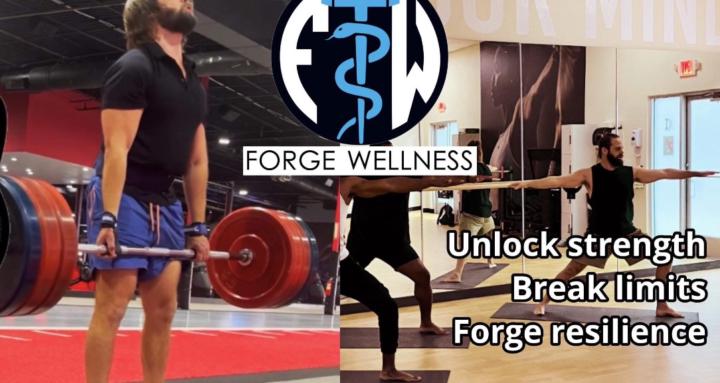
• High-Intensity Training (HIT) — especially brief, intense sets to failure
• Heavy compound lifts (e.g., deadlifts, squats)
• Sprint intervals / Tabata style workouts
• Strongman or power-based training
• Controlled cold exposure before training
• Training fasted to heighten alertness and catecholamine response
🧘♂️ YOGA & BREATH
• Kapalabhati (skull-shining breath) – rapid breath stimulating alertness
• Breath retention on inhale (e.g., Wim Hof method)
• Fire element vinyasa – fast, powerful flow sequences
• Warrior pose holds with deep ujjayi breath
• Backbends (e.g., wheel, upward dog) – energizing, heart-opening
💆 MASSAGE & BODYWORK
• Percussive therapy (e.g., Theragun, tapotement techniques)
• Friction-based deep tissue work – can stimulate alertness
• Sports massage pre-event – to “wake up” the system
• Vibration therapy (localized stimulation)
🌿 Healthy Parasympathetic Activation (Rest / Repair / Reconnection)
These methods decrease sympathetic tone and enhance vagal activity, inviting recovery, integration, and deep presence — vital for trauma resilience, healing, and longevity.
🧘♀️ YOGA & BREATH
• Slow nasal breathing with extended exhale (e.g., 4–7–8, 6–6)
• Restorative yoga (bolstered poses held 5–10+ min)
• Yin yoga – passive stretching stimulates fascial release + parasympathetic shift
• Alternate nostril breathing (Nadi Shodhana)
• Forward folds (e.g., child’s pose, seated fold)
• Gentle twisting and side-bending – tones vagus nerve
💆 MASSAGE & BODYWORK
• Swedish massage – long, slow effleurage strokes
• Craniosacral therapy
• Abdominal massage – stimulates vagus, promotes gut-brain feedback
• Facial and jaw massage – engages cranial nerves linked to ventral vagal tone
• Slow lymphatic drainage – supports rest and detox
🛌 RECOVERY HABITS
• Cold exposure after exercise (for recovery, not stress)
• Warm baths / hydrotherapy
• Yoga nidra or non-sleep deep rest (NSDR)
• Grounding in nature (barefoot, sensory immersion)
• Eye-gazing and safe social bonding
This trains nervous system flexibility, not just strength or calm — you’re building resilience, adaptability, and conscious regulation, the true goal of Forge Wellness.
0
0 comments
What is autonomic resilience?
skool.com/forge-wellness-2387
Learn to train like a warrior monk to master the mind and body’s powerful calm. Balance explosive strength with unbreakable stability and recover well
Powered by