
🔥
19h • General discussion
Fear of Judgment?
There is a new course in the classroom - details and link in first comment.
However, lets consider what judgment is first...
The Quiet Judgements We Make in the Horse World and How to Let Them Go
The horse world is full of opinions.
Strong ones.
Often delivered with the confidence of someone who once read half a Facebook comment thread.
We judge how people ride. How they train. How often they ride. What they feed, rug, jump, hack, rest, compete, or choose not to do.
And here is the uncomfortable bit.
We are not just judged. We judge too.
Often without meaning to.
Often without noticing.
Judgement usually shows up when we feel unsafe in our own choices. When someone does it differently, our brain starts running old programmes. It quickly searches for meaning, and if it cannot find safety, it creates certainty instead. That is where judgement sneaks in.
It is not cruelty. It is your nervous system trying to protect you.
But judgement has a cost it tightens communities.
It limits learning.
And it keeps riders stuck in patterns of doubt, comparison, and overthinking.
From an NLP perspective, every rider is operating from their own model of the world. Their experiences, beliefs, past falls, past wins, horses they have loved, horses they have lost, all shape how they see what is “right”. Same arena, completely different internal map.
So how do we work towards being less judgemental?
First, we pause.
That pause interrupts the old pattern. It gives your brain time to choose a different response instead of running on autopilot.
Second, we swap judgement for curiosity. “What might this look like from their perspective?” “What do they know about their horse that I do not?”
Curiosity softens the nervous system. It opens learning instead of closing ranks.
Third, we notice our triggers. If someone else’s choices light you up emotionally, that is valuable information. Judgement often points us back to a part of ourselves that wants reassurance, safety, or permission.
And finally, we remember why we ride.
Not to prove anything. Not to pass some invisible test.
But because horses make us feel alive, grounded, and connected.
You do not have to agree with everyone.
Being non-judgemental does not mean abandoning your values or boundaries.
It simply means allowing others their journey, while staying steady in your own.
And here is the powerful reframe.
The more non-judgemental you become of others, the safer your own internal world becomes.
And a safe internal world is where confidence quietly grows.
3
6 comments
Fear of Judgment?
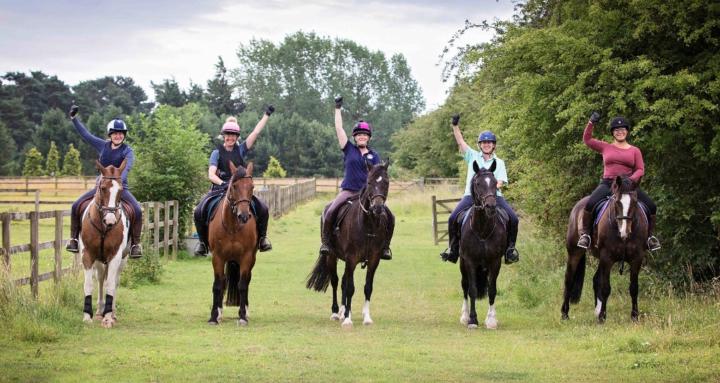
skool.com/equine-experiences
Bringing riders together to grow confidence, for support and encouragement and to share those magic moments in the saddle. Join us today.
Leaderboard (30-day)
1

+79
2
+46
3
+37
4

+21
5
+12
Powered by