
Sep '25 • General discussion
If you're NOT a business owner (personal use case)
Previously we discussed that if you’re a business, in most cases you must save all receipts and line-item data for tax purposes.
But what if it’s a personal use case?
You still need your receipts.
Right off the bat: receipts are required for returns and warranties.
Snap a picture, keep it safe, and thank yourself later.
Secondly: to save money.
Hear me out. There’s only one real reason to analyze line-item data as a consumer: saving.
Otherwise it’s just a hobby in itemization.
Income minus expenses equals savings.
Expenses are simply everything you spend money on.
Which means you always face two choices:
- Buy more for the same amount of money
- Buy the same things, but for less money
Either way, you get more for less.
That should be the goal.
Eliminate overspending and make the best possible price/value choice.
The problem is most people do the opposite.
They buy less and spend more.
And those situations are everywhere, hidden inside bank statements.
That’s why receipts matter.
A bank statement tells you where you spent.
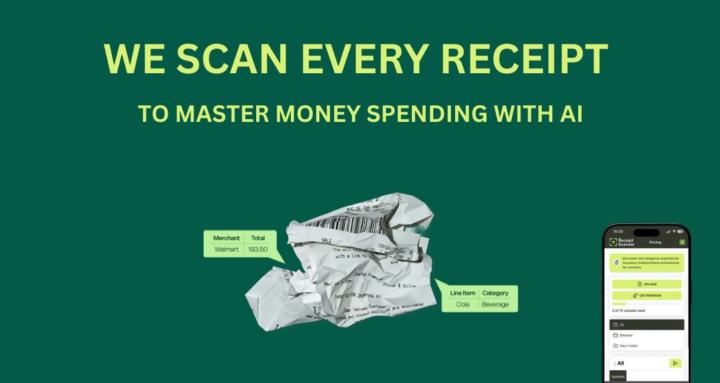
A receipt tells you what you actually bought.
With line-item detail, you can see your real needs and preferences:
- How often you buy certain products (How much you need of something?)
- Which brands or choices you repeat (What's the best deal around)
- Where hidden costs creep in (How to prevent overspending)
That is where saving really happens.
0
0 comments
If you're NOT a business owner (personal use case)
powered by
skool.com/dreamaspect-5629
Are you afraid you’ll always be behind financially?
The journey to money freedom begins with mastering your spending - the only thing you control!
Suggested communities
Powered by