
Mar '25 • General discussion
Building More Than Just Buildings: 5 Resources for Mission-Driven Real Estate Development (Even for Newbies!)
Hey SKOOL community!
Many of us are drawn to real estate development not just for financial gains, but for the opportunity to make a positive impact. We want to build spaces that uplift communities, address social needs, and contribute to a more sustainable future. If you're a new developer with a mission-driven heart, you might be wondering where to start. Fear not! Here are 5 resources to guide you on your journey:
1. Enterprise Community Partners:
What they offer: Enterprise is a national nonprofit that focuses on affordable housing and community development. They provide a wealth of resources, including:
Why it's great for beginners: They offer clear, accessible information on complex topics like tax credits, financing structures, and community engagement. Plus, they have a strong track record of supporting mission-driven projects.
How to access: Visit their website (enterprisecommunity.org) and explore their resource library, training calendar, and investment programs.
2. Local Community Development Corporations (CDCs):
What they offer: CDCs are nonprofit organizations that work to revitalize specific neighborhoods. They often have expertise in:
Why it's great for beginners: CDCs offer invaluable local knowledge and can provide mentorship and guidance. They can also be potential partners or collaborators on your projects.
How to access: Search online for "community development corporation" + your city/region. Many cities have directories of local CDCs.
3. The U.S. Department of Housing and Urban Development (HUD):
What they offer: HUD provides a range of programs and resources related to affordable housing, community development, and fair housing. Key resources include:
Why it's great for beginners: Understanding federal policies and funding opportunities is crucial for mission-driven development. HUD's resources can help you navigate this complex landscape.
4. The Urban Land Institute (ULI):
What they offer: ULI is a global nonprofit research and education organization focused on responsible land use and development. They provide:
Why it's great for beginners: ULI offers a comprehensive overview of the real estate development industry, with a focus on sustainable and equitable practices. Their resources can help you build a strong foundation of knowledge.
How to access: Visit ULI's website (uli.org) and explore their publications, events, and educational offerings.
5. Crowdfunding Platforms (Specifically those that focus on Social Impact):
What they offer: Crowdfunding platforms allow you to raise capital from a large number of individuals. Some platforms specialize in social impact projects, connecting developers with investors who are aligned with their mission.
Why it's great for beginners: Crowdfunding can be a way to raise seed capital and build community support for your project. It also allows you to test market demand and validate your concept.
How to access: Research crowdfunding platforms that focus on real estate and social impact. Carefully review their terms and conditions before launching a campaign.
Key Takeaway:
Mission-driven real estate development is a challenging but rewarding endeavor. By leveraging these resources, you can gain the knowledge, connections, and funding you need to create projects that make a real difference.
Let's discuss!
- What are your mission-driven development goals?
- Have you used any of these resources?
- What other resources have you found helpful?
Share your thoughts and experiences in the comments below!
Let's build a better future, together.
1
2 comments
Building More Than Just Buildings: 5 Resources for Mission-Driven Real Estate Development (Even for Newbies!)
skool.com/dominique-anderson-consulting-7592
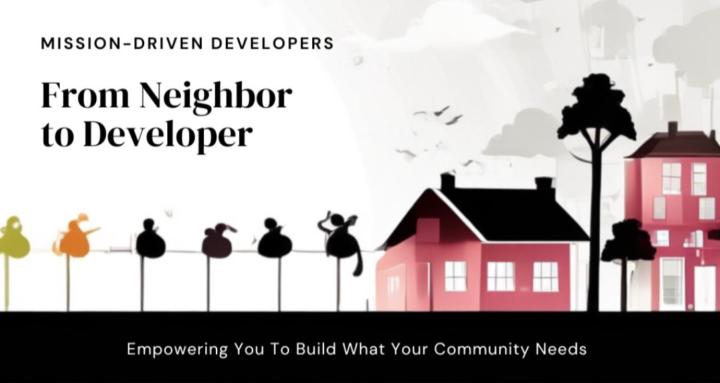
Join a community passionate about creating affordable housing in their neighborhoods. Share ideas, ask questions, and learn from each other.
Powered by