
Nov '25 • 🔬 Research
The World’s Largest Worker Cooperative
📊 Case Study: Mondragon Corporation (Spain)
📜 Background
- Organization: Mondragon Corporation, a federation of worker cooperatives founded in 1956 in the Basque region.
- Scale: Over 80,000 employees across manufacturing, retail, finance, and education.
- Governance: Worker cooperative model — employees are owners, elect leadership, and share profits collectively.
🧑🤝🧑 Employee Autonomy in Cooperatives
- Ownership: Each worker is a member-owner, with voting rights in cooperative governance.
- Decision-Making: Strategic and operational decisions are made democratically at the cooperative and federation levels.
- Profit Sharing: Surpluses are distributed among members, reinvested in the community, or used to stabilize employment.
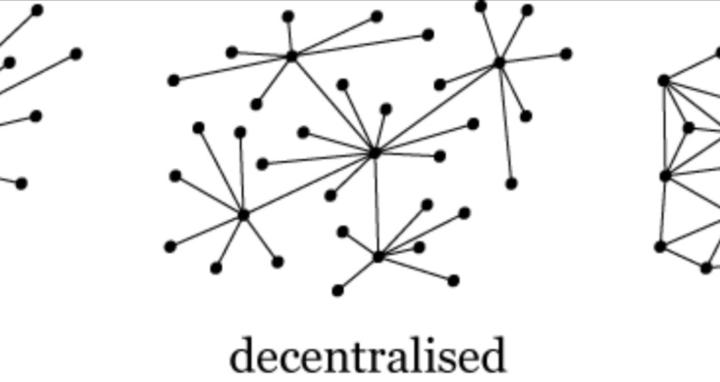
- Crisis Management: Decentralized governance allowed Mondragon to adapt during economic downturns by redistributing workers across cooperatives.
🌟 Outcome
- Resilience: Mondragon survived multiple economic crises by leveraging collective decision-making and solidarity.
- Employee Engagement: Workers report higher satisfaction due to ownership and democratic participation.
- Community Impact: Investments in education, housing, and social services strengthened the Basque region.
- Global Scale: Mondragon became the largest worker cooperative in the world, proving decentralized governance can scale.
Resources:
1
0 comments
The World’s Largest Worker Cooperative
Suggested communities
Powered by