
Nov '25 • 🔬 Research
Decentralized Research & Development
📊 Case Study: Protocol Labs – Open Innovation Network
📜 Background
- Organization: Protocol Labs, an open-source research, development, and deployment laboratory.
- Scale: A global network of contributors and projects, including IPFS, Filecoin, libp2p, IPLD, Drand, and Testground
- Governance: Operates as a decentralized organization, coordinating independent teams and community contributors rather than relying on a traditional corporate hierarchy. Founded by Juan Benet, Protocol Labs is structured to advance Web3 infrastructure and decentralized computing
🧑🤝🧑 Team Autonomy in Practice
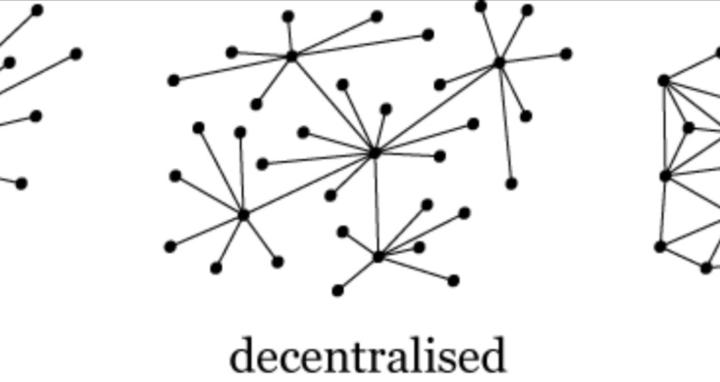
- Structure: Protocol Labs functions as a federation of autonomous projects. Each initiative (e.g., IPFS or Filecoin) has its own contributors, governance mechanisms, and technical roadmap.
- Decision-Making: Teams and communities make independent decisions through open-source collaboration, token-based governance (Filecoin), and peer-to-peer consensus.
- Accountability: Success is measured by adoption metrics (e.g., terabytes stored on Filecoin, nodes running IPFS), ecosystem growth, and contributions from the global developer community.
- Innovation: The decentralized model encourages experimentation across multiple domains — storage, networking, randomness beacons, and distributed computation — without bottlenecks from centralized leadership
🌟 Outcome
- Operational Efficiency: By decentralizing R&D, Protocol Labs accelerates innovation across multiple projects simultaneously, reducing dependency on a single corporate roadmap.
- Community Engagement: Thousands of developers worldwide contribute to IPFS, Filecoin, and related projects, creating a vibrant ecosystem of open collaboration.
- Global Impact: Filecoin has become one of the largest decentralized storage networks, while IPFS powers distributed content delivery for applications, research, and media
- Scalability: The model scales horizontally — new projects can be incubated and launched under the Protocol Labs umbrella without disrupting existing initiatives
Official resource: https://www.protocol.ai/work/
1
0 comments
Decentralized Research & Development
Suggested communities
Powered by