
Dec '24 • General discussion
Muscular Christianity: Building Faith and Character Through Sports
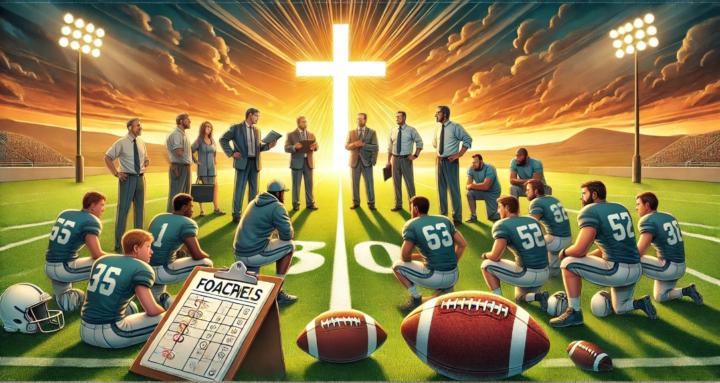
The concept of Muscular Christianity emerged in the 19th century as a movement linking physical strength, moral character, and Christian faith. It championed the belief that sports and physical activity could serve as tools for shaping moral values and spiritual growth. Today, this philosophy continues to resonate, particularly for Christian coaches who see their role as both athletic mentors and moral educators.
What Is Muscular Christianity?
Muscular Christianity emphasizes the integration of physical vigor and spiritual discipline. Rooted in the idea that the body is a temple of the Holy Spirit (1 Corinthians 6:19-20), it encourages individuals to use sports and physical training as a means to honor God. It also underscores the connection between physical health and the capacity to serve others effectively.
For Christian coaches, this philosophy provides a framework for fostering both athletic and moral development in athletes. By teaching virtues such as discipline, teamwork, and resilience, coaches can help athletes grow into well-rounded individuals who reflect Christ-like character.
Shaping Moral Character Through Sports
Sports offer a unique environment for moral formation. The challenges faced during training and competition provide opportunities to develop virtues like perseverance, humility, and integrity. Christian coaches play a pivotal role in guiding athletes through these moments, helping them see how their responses align with their faith.
For example, a coach might encourage an athlete to show grace in defeat, modeling Christ’s humility. Alternatively, they might highlight the importance of honesty during practice, emphasizing that integrity is more valuable than cutting corners for short-term success.
The Role of the Coach as a Mentor
Coaches who embrace the principles of Muscular Christianity recognize that their influence extends far beyond the field. They act as mentors, modeling a Christ-centered life while encouraging athletes to pursue excellence in all areas. By prioritizing spiritual growth alongside athletic achievement, they inspire athletes to view their abilities as gifts to be used for God’s glory.
Practical ways to implement this approach include:
- Faith Integration: Incorporate prayer and biblical lessons into practices and team meetings.
- Character-Building Activities: Use team discussions or exercises to explore topics like integrity, perseverance, and respect.
- Encouraging Service: Create opportunities for athletes to serve their communities, demonstrating the importance of giving back.
Addressing Challenges
While the principles of Muscular Christianity are timeless, applying them in modern sports can be challenging. Coaches may face resistance in secular settings or pressure to prioritize performance over character development. However, staying rooted in their mission and drawing strength from their faith allows coaches to overcome these obstacles.
Muscular Christianity offers a powerful vision for Christian coaches: the opportunity to build both the physical and moral foundations of their athletes. By fostering a culture that values character as much as performance, coaches can equip young people to excel not just in sports, but in life.
1
1 comment
Muscular Christianity: Building Faith and Character Through Sports
skool.com/christian-coach-collective-7792
EXCLUSIVE group for Christian coaches to UNLOCK proven strategies, TRANSFORM leadership, and BOOST team success. Join the ELITE now!
Powered by