11d • General Discussion
Happy International Women's Day
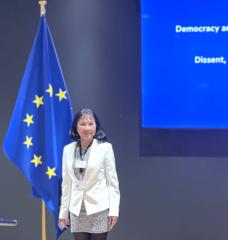
To celebrate International Women's Day, I'm sharing parts of my past interview with “Qui a peur du féminisme?”
Rolade, could you explain to our listeners why you define yourself as a citizen of the world?
"The Earth is my home, and it is the same Earth where everyone lives. The COVID-19 pandemic demonstrated the interconnectedness of all peoples and nations. It’s like being in a boat: if a section of it sinks, the other part will also sink sooner or later. We have the right to be in this boat (our world), but we also have a responsibility to keep it floating. Environmental degradation, war and conflicts, poverty, injustices, crimes, and other societal ills can sink this boat".
You are a citizen of the world but when we see you, we see an Asian woman. Does this perception matter to you?
"What is an Asian woman? North Asians are different from South Asians. Even among Southeast Asians, there are cultural differences: The Filipinos are the Mexicans of the region with their Christian faith, Spanish vernacular, and American English, while the Indonesians are mainly Muslim.
In every change of geography, a woman's life is different. For example, I completed a postgraduate degree at 24 years old and joined the Australian public service in the early days of Anti-Discrimination and Equal Employment Opportunity legislation. I made the most of this privileged position by being appointed to many working parties representing women and immigrants".
You are a chess player. I would like to know your opinion on the Game of the Lady - a series on Netflix.
"I enjoyed watching it. My second son and I have played chess in tournaments, and the scenes there resonated with us. I taught my two sons and husband to play chess; my second son is now much better than me, winning national titles. Unlike in the series, I am not a genius at this game but have experienced the same challenge, frustration, and joy of winning. It's also a tale of addiction and loss. A story of an orphaned girl placed in a home and finds solace in chess games is touching, kind, and resonates with the world".
In your two novels, there are many female characters, but they are not alike. Are they inspired by women around you? Is it important for you to build realistic characters?
"Certainly, characters that people can relate to. These are women I've met on my travels, at work, and during social events. I wanted to show the complexities of relationships and the solidarity between women. Future Perfect is about a cross-cultural marriage and its shifts. The Whisper of Regrets focuses on the impact of parents' decisions on their children and the elephants in the room, such as infidelity and unfair treatment of women".
Can you briefly introduce us to a woman who is a role model for you?
"It's not one but many. I wish I could put all their exceptional traits together. All women who think globally but act locally, like you, Marie Pierre. You and your friend started this podcast to advance women's causes -- that’s admirable.
3
1 comment
Happy International Women's Day
Leaderboard (30-day)
1
+71
2
+51
3
+39
4
+38
5

+30
Powered by