
Feb 26 • General discussion
Getting ready for spring beekeeping!
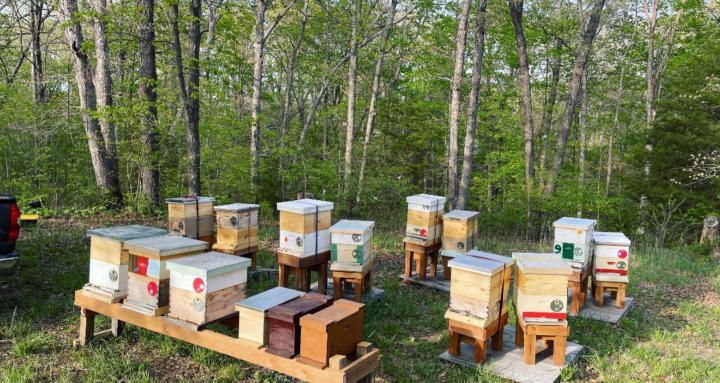
There’s always something to do in the apiary. In winter, many chores keep a beekeeper busy: building new hives, collecting and repairing supplies, cleaning old equipment, and planning spring splits and mite treatments. Right now I’m focused on preparing hives for splitting. I plan to turn five hives into ten, so I need five additional, fully prepared hives ready to receive divisions.
Begin preparations by inspecting and refurbishing equipment. Clean and repair brood boxes, frames, and excluders; replace any warped or rotten wood; and assemble new hive bodies and inner and outer covers. Make sure you have fresh foundation or frames with drawn comb if possible, along with cleaned or new bottom boards. Sterilize tools and store spare parts in a dry, rodent-proof location. Having all gear staged and labeled will speed spring operations when bees are active.
Plan the biological and logistical details of your splits. Decide your split method (walk-away split, artificial swarm, nuc creation), target timing, and how you’ll allocate brood, stores, and bees. Ensure you have queens or queen cells ready, or a sourcing plan for mated queens; consider queen introduction timing and methods to reduce rejection. Track colony strength through winter and early spring inspections so you split only the strong colonies and leave enough population and stores for winter survivors.
Integrate health and feeding strategies into your spring schedule. Treat for Varroa mites at the appropriate time using methods compatible with brood levels and local regulations, and monitor mite loads with regular checks. Plan supplemental feeding (syrup or pollen patties) if spring nectar and pollen are scarce, but taper feeding as natural forage arrives to encourage normal brood rearing. Finally, choose split dates aligned with local bloom and nectar flows, maintain clear records of each colony’s origin and treatments, and position the new hives in sheltered, sun-facing locations to help them build quickly.
I’m here to answer your questions and help you get to where you wanna be as a beekeeper there’s no question too small or insignificant.
1
0 comments
Getting ready for spring beekeeping!
skool.com/beekeeping-for-beginners-8186
Join our beekeeping class on Skool. learn hive management, honey extraction, and essential skills for sustainable beekeeping. Perfect for all levels!
Powered by