Activity
Mon
Wed
Fri
Sun
Jan
Feb
Mar
Apr
May
Jun
Jul
Aug
Sep
Oct
Nov
What is this?
Less
More
Owned by Marcus
Everything about world wide PyratePunx
For everything Libertatia!
Memberships
MEN's Dating ACADEMY ⭐️♐️🏆
1.2k members • Free
Alpha Male 2.0
173 members • Free
Heroic Fitness
29 members • Free
Ice Guys Club
26 members • Free
The HuRU Crew
249 members • Free
The JOY Project
322 members • Free
Social Confidence Club ⚡
3.2k members • Free
EntreProBrewer Academy
20 members • Free
Playgine AI
8 members • Free
1 contribution to Horses Connect Training

20d •
Rant Alert!
Why It Matters to Check Qualifications in Equine-Assisted Services -and why those of us doing it right are tired of cleaning up the mess 😳 Equine-assisted services can be transformative—improving confidence, emotional regulation, boundaries, communication, and overall wellbeing. But like any professional field involving vulnerable people and large animals, it must be grounded in competence, ethics, and safety. That’s why checking a provider’s qualifications, experience, insurance, and safeguarding standards is not optional it’s essential. It’s also important to be aware that not all Equine assisted services and qualifications are the same. For example, someone qualified to provide Equine assisted Learning sessions may not be qualified in Therapeutic Horse-riding - and vice versa. 1. Horses Are Not Props . They Are Powerful, Sensitive Animals Working safely with horses requires significant hands-on skill. A properly trained equine-assisted professional understands herd behaviour, body language, risk management, welfare law, and how to maintain a safe learning environment. Unqualified operators may not recognise early warning signs, or be aware of the contradictions putting clients and horses at risk. 2. Clients Deserve Evidence-Based, Ethical Support Good equine-assisted work is not guesswork. It’s grounded in psychology, coaching principles, learning theory, and ethical frameworks. Professionals invest heavily in training, accreditation, ongoing CPD, supervision, first aid, and safeguarding. If someone cannot clearly articulate their training pathway, code of ethics, and insurance cover, that’s a big red flag. 3. Insurance and Professional Standards Protect Everyone Anyone offering sessions (paid or not) must have: 👍 Accreditation in the service they are offering 👍 Public Liability Insurance 👍Professional Indemnity Insurance 👍 Equine-specific coverage 👍 Safeguarding training and Garda vetting (where relevant) 👍 Clear risk assessments and welfare policies These aren’t bureaucratic boxes to tick. They are the safety net for clients, horses, and the reputation of the entire sector.

0 likes • 10d
Coolio
1-1 of 1
@marcus-ponce-8665
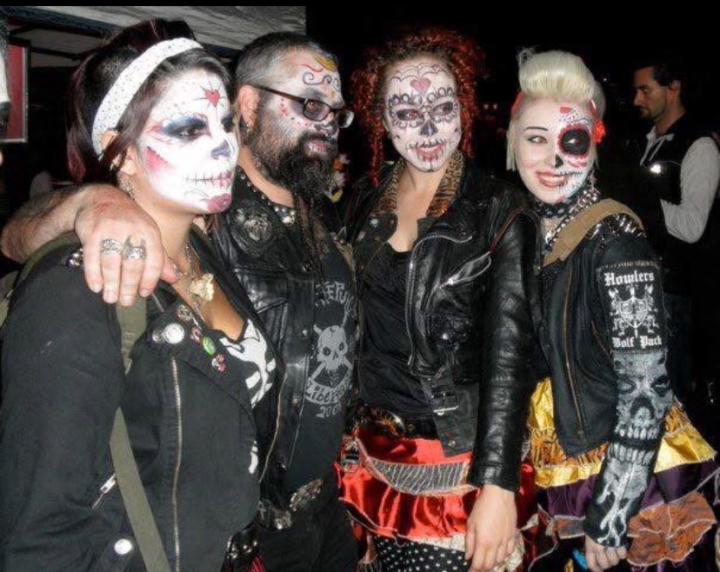
I was born and raised in the San Francisco Bay Area, I have founded a world wide community underground music community network.
Active 4d ago
Joined Nov 27, 2025
Oakland, California