Activity
Mon
Wed
Fri
Sun
Jan
Feb
Mar
Apr
May
Jun
Jul
Aug
Sep
Oct
Nov
What is this?
Less
More
Owned by Dimetri
Group for Mens Spiritual, Mental, Health and Financial Awakening
Memberships
Creator Revenue Hub (10)
66 members • $10/month
Creator Revenue Hub
80 members • $286
Growth Systems Incubator
1.1k members • Free
Kreator Notes
1.8k members • Free
YouTube Acquisition
1.2k members • Free
The MIODE
15 members • $197/m
Kourse (Free)
114.8k members • Free
🔥Results Powered Mentoring🔥
2.2k members • Free
Matthew C. Horne Dating Group
11 members • $49/m
61 contributions to Your Villain Academia

Jun '24 •
Welcome Villain 😈 Start Here❗👇
I'm Dimetri, one of your moderators here and we are freaking excited to have you as part of the Villain Tribe. 🙌 Now, ensure to watch the full video attached to this post before moving forward, This video will provide you with the guide and instructions on navigating our group.
2 likes • Sep '24
Welcome to our new members drop in the comments and tell us where you’re from and how you found Jace. Ensure to watch the video above 👆🏿 To use the group properly. @Kamrin H @Paul Lankford @Moha Paris @Damir Pinckney
0 likes • Feb 27
@Myrlin Hepworth It's good to have you onboard brother, Sound like you have a passion for knowledge. let's keep growing as a community together, don't be hesitant to share with us what you're learning.

Jan 17 •
Help us price the community
So our affiliate program will be launching by the ending of Q1, what do you think is a good price point? The aim is to have a good enough pricing that most can pay on a subscription basis, but it's good enough to incentivize affiliates to bring in members.
Poll
6 members have voted
3 likes • Jan 17
@Peter Henderson Do you think most Late teen and 20+ year old can find $97 a month? what's your experience...

Nov '24 •
Effective Communication Skills for Connection
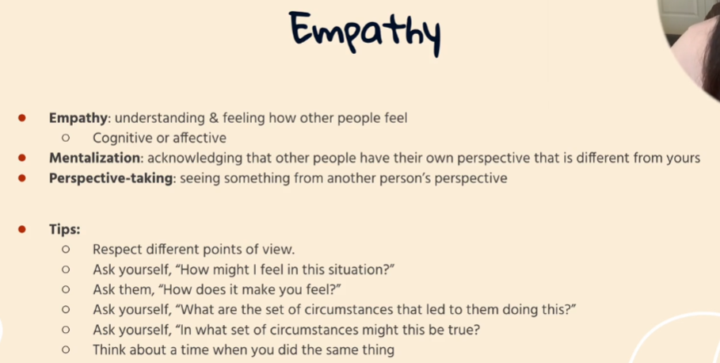
We all communicate, but how often do we connect? Communication is more than speaking—it’s listening, empathizing, and responding effectively. Today, we’ll unlock essential skills to help you build stronger relationships, reduce conflict, and feel truly heard. 1. Empathy is the cornerstone of healthy communication. It has two sides: cognitive empathy—understanding someone’s perspective—and affective empathy—sharing their feelings. Cognitive empathy is a skill anyone can learn, even if it doesn’t come naturally. - Remember everyone has a subjective perspective. - Ask yourself: How would I feel in their shoes? - Avoid assuming—ask directly, ‘How are you feeling?’ - Assume good intentions: ‘What might have led them to act this way?’ Someone gets cut off in traffic and reacts angrily. Pause and show different interpretations: rushing to the hospital, late for work, distracted. 2. Active reflective listening means fully engaging with what the other person is saying—not just hearing but understanding. This involves: - Open attentive body language and natural mirroring. - Asking clarifying questions like, ‘What happened next?’ - Paraphrasing: ‘So you’re saying…?’ - Use same words: ‘That must have been so frustrating/shocking.’" - Don't interrupt, actual listening not just hearing. 3. Validation is about acknowledging someone’s feelings and perspective without necessarily agreeing. It says, ‘I see where you’re coming from.’ Invalidation, on the other hand, shuts people down and leads to long-term harm, even personality disorders like BPD. 4. Expressive skills Expressing yourself effectively requires: - Assertiveness: Balancing your needs with others’. - Use "Yes and" which connects rather than "Yes But" which divides. - Turning towards bids for connection, as John Gottman discovered in his research. Couples who do this regularly are 2.6 times more likely to stay together." physically turning and paying full attention to them, putting your phone down.
1 like • Nov '24
Thanks for dropping this Gem 💎
Nov '24 •
🚨Replay For Yesterday🚨
Replay for yesterday is Live gentlemen. Go here to watch: https://www.skool.com/super-villain-academy-9546/classroom/c64ebc77?md=02d3ee9f2e3140f08cbcd2ea6d6ed8b0


Nov '24 •
Win
I just smashed this girl I’ve been talking over the phone with the first night we met. She said she went home and had anxiety because she thinks we’re moving too fast. She wants us to slow down on sex and kissing. I don’t know if I want to entertain this nonsense. She said she wants something romantic with me not just sex so what should I do sense I’m not just trying to be used and get no play?
2 likes • Nov '24
Don't worry she's just a bit anxious, she just gave up her trump card when it comes to negotiation (this is how women think) Reassure her! an example of reassurance would be taking her to the movies or even a walk after smashing. Think of it, if you only wanted sex then why after getting it you're still around her? You're at a good place, just mix in more reassurance, you will know when she's less anxious when she's wanting more or asking to visit. keep us updated.
1-10 of 61
@dimetri-watt-6567
First say to yourself what you would be; and then do what you have to do - Epictetus
Active 47d ago
Joined Jun 20, 2024
Powered by