Activity
Mon
Wed
Fri
Sun
Aug
Sep
Oct
Nov
Dec
Jan
Feb
Mar
Apr
May
Jun
Jul
What is this?
Less
More
Owned by Ossama
Learn Quranic Arabic https://arabicaccelerator.com/
Memberships
MODPASS
1.3k members • $9/month
18 contributions to Arabic Accelerator⚡️

Sep '25 •
Why Learning Arabic Feels So Hard
If you’ve ever found yourself thinking, “Why is Arabic so hard to learn?” — you’re not alone. For many students, learning Arabic feels like hitting a wall. Despite motivation and discipline, progress can feel slow and frustrating. But there’s a deeper reason for this that most language programs never explain. It has to do with something few learners are ever taught: Arabic belongs to a completely different language family than English. This single fact changes everything. 1. The Linguistic Leap: Indo-European vs. Afro-Asiatic. Most of you grew up speaking languages from the Indo-European family: English, French, Spanish, German, Urdu, Hindi, and many more. These languages share deep similarities in grammar, vocabulary, and sentence structure — even when they sound different. Arabic, on the other hand, belongs to the Afro-Asiatic language family. It’s an entirely different linguistic world. The way meaning is constructed, how grammar operates, and even how words are formed, it all functions according to different internal rules (see the attached picture to learn what that means in practice). Learning Arabic, then, isn’t like learning French or Spanish. It’s not just new vocabulary: it’s a new paradigme. 2. The Big Picture: Why the Struggle is Normal Imagine switching from Windows to Linux, not just using a new app, but changing how your entire operating system works. That’s what it’s like to go from English to Arabic. Many students feel like they’re failing when really, they’re making a major cognitive leap across language systems. And here’s the truth: That struggle is expected. And it’s the sign of deep growth — not failure. 3. Why Most Arabic Courses Fall Short : Most Arabic programs are designed with surface-level memorization in mind. They teach isolated words, basic phrases, and short dialogues — without explaining how the Arabic language system actually works. But without understanding the root-pattern system. Without grasping how Arabic builds meaning from a core triliteral root.
3
0

Aug '25 •
"Commence ici"
@Ossama Hamdi Salam aleykoum wa rahmatullah wa barakatuhu. I don't remember the video "commence ici" the first time I logged in the training course. I've just watched it. I've been very impressed by the accuracy of the speech. It helps. Barak'Allah oufik.
0 likes • Sep '25
Barak Allhu Fik Laetitia 🙂
Jun '25 •
The discipline that no one sees
There’s a kind of discipline that makes no noise. Not the kind you post online. Not the kind that earns applause. But the kind that only Allah sees — and rewards. It’s the effort to draw closer to the Qur’an... 📖 When you’re tired. 🕯️ When you’re not feeling “spiritual.” 🕵️♂️ When no one else is watching. ❓ Or when you’re not even sure you’re progressing. This quiet, hidden consistency — that no one applauds — is what builds a real connection with the Book of Allah. Understanding the Qur’an — truly grasping its language and message — doesn’t come from a magical breakthrough. But rather from small, regular acts of presence. Throughout a lifelong journey. Quietly. Steadily. That’s the kind of momentum we nurture inside Arabic Accelerator. Not by overwhelming you — but by offering a clear framework, spiritual motivation, and structure...To help you keep moving, without burning out. If deep down you know you want to lean toward that goal... 👉 Have a look at Arabic Accelerator. And even if you don’t join — remember this: Allah sees what no one else sees. And the hidden actions done with sincerity? They never go unnoticed. May Allah make us all among the people of the Qur’an. Sincerely, Ossama

May '25 •
Beau programme et Superbe Projet !
J'ai beaucoup aimé découvrir et faire ce programme . C'est un apprentissage pas à pas , des notions essentielles sont très simplement expliquées et appliquées , le cours est bien structuré . Pouvoir revenir à chaque fois au coran et apprendre par cœur des termes que l'on y retrouvera rend l'étude vraiment intéressante et ciblée . C'est également inspirant et énergisant de prendre conscience , à travers les échanges, d'autres musulmans faisant face aux mêmes défis et questionnements . Un grand merci pour ce projet , j'espère de tout cœur qu'il portera ses fruits 🙂
0 likes • May '25
Merci Mariam, qu'Allah bénisse la suite de ton apprentissage.
Mar '25 •
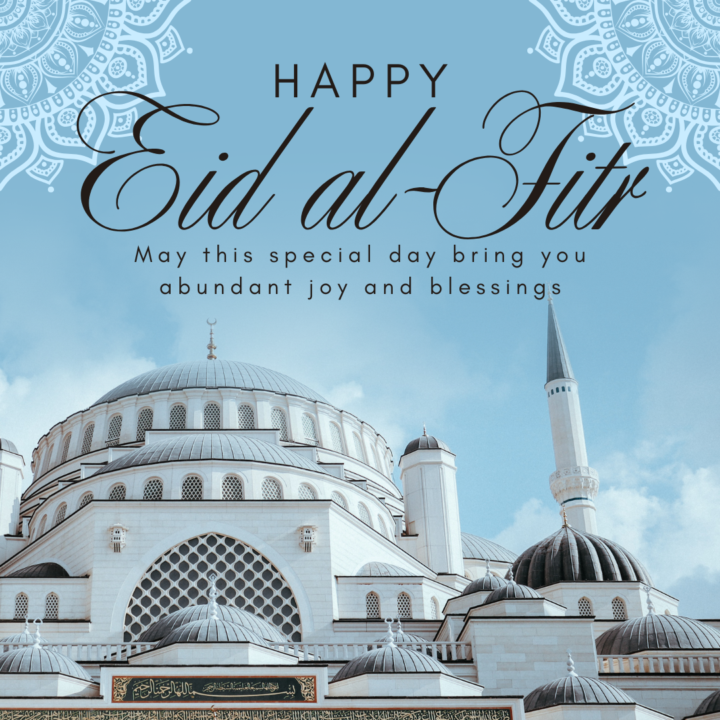
Eid Mubarak 🥳
May the blessings of Allah fill your life with happiness and open all the doors of success 😇.
1-10 of 18