Activity
Mon
Wed
Fri
Sun
Nov
Dec
Jan
Feb
Mar
Apr
May
Jun
Jul
Aug
Sep
Oct
What is this?
Less
More
Owned by Matt
Weekly Live CEUs + 75+ CEUs on Demand --> Reducing the response effort for dissemination
Welcome to the Open CEU creator lab, where you can learn how to become an ACE Provider and leverage your skills to produce CEUs!
ABA C.A.R.E.S. 365
3
Free
The ABA Group Chat
510
Free
LinkedIn AI
1.1k
Free
The Aspinall Way
32.7k
Free
QI
Quality Initiatives in ABA
1.3k
Free
Skoolers
153k
Free
Start Writing Online
22k
Free
AI Automation Society
467.3k
Free
244 contributions to The OpenCEU Community

Sep '25 •
Welcome! Everyone- Start Here!
Hello, and welcome to the Open CEU Community! My name is Matt Harrington. I have been a BCBA for 6 years, and have given out over 10k CEU certificates through the Behaviorist Bookclub. This community originally started as the ABA Clubhouse, and we have been doing weekly free CEU events since the beginning of the year. In July 2026, our new software, openceu.com launched! OpenCEU is a CEU hosting platform that aims to reduce the response effort (and cost) of publishing CEUs. More on that in one of the pinned posts! A little about me! ✅ RBT -> BCaBA -> BCBA -> Clinic Director -> ABA Marketing ✅ 3 kids (2, 4, and 6) + Married 7 years ✅ Values are family protection and creation/production A little about the community 🦄 Free weekly CEUs 🦄 Community chat regarding things BCBAs ACTUALLY care about 🦄 Sharing CEU events encouraged! What to do next 🧚♀️ Browse the classroom (or go straight to openceu.com) and watch some CEUs 🧚♀️ If you are an ABA Complany director/owner, check out the pinned post to learn about the ABA Back Office or go to https://www.skool.com/the-aba-back-office 🧚♀️ If you are an ACE Provider, check out the pinned post to learn about how you can host CEUs at no cost at OpenCEU.com BTW, you may notice that this community is free, but you can also subscribe for $5 or $25. Let me explain. OpenCEU was built on open access, meaning I charge nothing for ACE providers to host on the platform and take 0% platform fees. BUT… As OpenCEU gets more popular, the cost to maintain the software has increased as well. So the $5-$25/month is a small donation to help me keep the platform open access and encourage the dissemination of future research. So, if you would like, every subscription goes directly into keeping this mission alive!
1 like • 4d
Hey Nicole, welcome! 👋 Great to have you in here. We are all here to grow and share. All our free CEUs live at openceu.com. Make a free account and dig in.
1 like • 2d
Hey Molly, welcome! 👋 Great to have you in here. We are all here to grow and share. Check out the classroom for free CEUs when you are ready.
6d •
1 Free SUP CEU- Starting now!
Join now- https://openceu.com/live/3887b7e9-b3f8-4024-a5e7-a61bd10d2398 1 SUP CEU- Supervising Beyond Technical Skills: Professionalism, Communication, and Clinical Judgment
13d •
1 Free Sup CEU- Reflective Supervision and Client Outcomes- Starting now!
Starting at 12 EST... NOW! Reflective Supervision and Client Outcomes by B. Kuereine Gray Watch right here-> https://openceu.com/live/524a90d1-6fd2-4351-b738-a6e893cafff8
3
0
20d •
CEU Happening Now (12 EST)! 1 CEU on Verbal Behavior
When the Foundations are Right, Unlocking Advanced Verbal Repertoires SEE IT NOW-> https://openceu.com/live/c4cab973-976e-476c-bae2-5b7a5705b6f8
1
0
27d •
CEU Starting Now!- 1 GEN CEU @ 12 EST
Empowering Autonomy and Self-Management in ADHD Learners by Nicole Stewart, BCBA Here is the link-> https://openceu.com/live/ca044005-6fb2-4d35-a395-26b701ac17fc
1
0
1-10 of 244
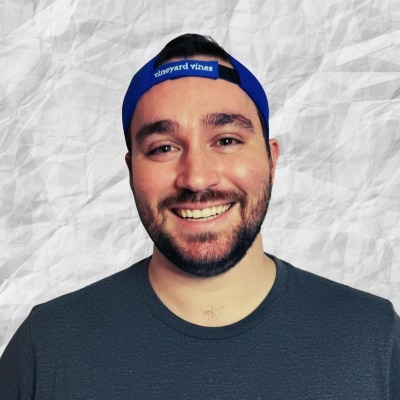
@matt-harrington-5018
Wouldn't stop playing the game even if I won. Obsessed with ABA and human behavior, trying to connect with others just like me.
Active 8h ago
Joined Aug 27, 2025
Jacksonville FL
Powered by