Activity
Mon
Wed
Fri
Sun
Aug
Sep
Oct
Nov
Dec
Jan
Feb
Mar
Apr
May
Jun
Jul
What is this?
Less
More
Owned by Sophie
Discover the world of classic cars: learn, connect, share your passion and explore iconic models with fellow enthusiasts.
Memberships
The Skool Income Blueprint
113 members • Free
Automotive Collective
141 members • Free
Details To Dollars
56 members • Free
Beyond Yesteryear
34 members • Free
Skoolers
166.1k members • Free
21 contributions to Car Care Academy

Mar 20 •
What are you choosing?
If this is your vibe… you already know it’s not about the newest car. So I’m curious: Which one are you taking home? • Porsche 993 • BMW 2002 • Citroën DS Drop your choice below 👇 (and tell me why, that’s where it gets interesting)
0
0

Mar 10 •
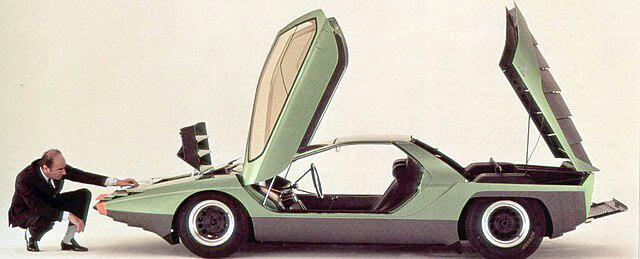
Why Many Iconic Cars Were Designed by Independent Design Houses
When we think about legendary cars, we usually think about the brand. Ferrari. Lamborghini. Alfa Romeo. But many of the most beautiful cars in history were actually designed by independent design houses. Studios like Pininfarina, Bertone, Zagato and Italdesign helped shape the look of countless sports cars. In the early days of the car industry, manufacturers focused mainly on engineering and production. Styling was often outsourced to these specialized studios. This led to some of the most iconic designs ever created. From elegant Ferrari grand tourers to radical Lamborghini concepts. Today most manufacturers design cars in-house, but the influence of these design houses is still visible in automotive design. They helped turn cars from machines into objects of art. Question for you: Which car do you think has the most beautiful design ever made? And do you know which design house designed it? 🚗
Feb 26 •
Guess the car #2
Let’s kick this week off with something special. This icon comes from the 90s. Air-cooled. Wide rear stance. Classic round headlights. For many enthusiasts, this generation represents the perfect balance between old-school character and modern performance. Some say it’s the last “true” version of its lineage. Do you know which car this is? Drop your guess below 👇

0 likes • Mar 6
@Beyond Yesteryear Close! 👀 Not a Carrera… Hint: the last air-cooled 911.
Mar 6 •
🚗 Classic Car of the Week
The Alfa Romeo GTV is one of the most beautiful Italian coupés of the 1960s. Introduced in 1965, the car was designed by Giorgetto Giugiaro at Bertone when he was only 27 years old. The result was a compact, elegant sports coupé that would become an icon of Italian automotive design. Under the hood was Alfa Romeo’s famous Twin Cam engine, known for its smooth power delivery and distinctive sound. Combined with the car’s light weight, it made the GTV feel far more sporty than its horsepower numbers might suggest. Like many Italian sports cars from the 1960s, the interior is quite compact. These cars were built for driving enjoyment rather than long-distance comfort. But that’s exactly what makes them special. Beautiful design, mechanical character, and a driving experience that still excites enthusiasts today. Many people who admired them back then say the same thing years later: “I wish I had bought one.” 👇 Question for the community Which classic car do you regret not buying when you had the chance?
0
0

Mar 1 •
Lamborghini has postponed its fully electric model.
Not out of resistance to progress, but because their brand is deeply rooted in emotion, sound and driving experience. This brings up a broader discussion. How electric do you believe the automotive world will become? Will we see a fully electric future across all segments? Or will performance cars, classics and enthusiast vehicles continue to coexist? I’d love to hear your thoughts, especially from a passion perspective.

1-10 of 21

@sophie-verbers-8428
Car Care Skool Where car lovers learn, share, and level up. From detailing to classics, we break down every topic step by step.
Active 4d ago
Joined Dec 10, 2025