Activity
Mon
Wed
Fri
Sun
Aug
Sep
Oct
Nov
Dec
Jan
Feb
Mar
Apr
May
Jun
Jul
What is this?
Less
More
Owned by Alex
Have you ever felt invisible or unsure of yourself? I know I have, this is why we are creating a community to help each other succeed.
Memberships
Your Stage 🔴 LIVE Studio
135 members • Free
Skoolers
165.5k members • Free
Pick Your Online Business
1.2k members • Free
The Growth Innovator Community
848 members • Free
17 contributions to Your Stage 🔴 LIVE Studio

1 like • 22m
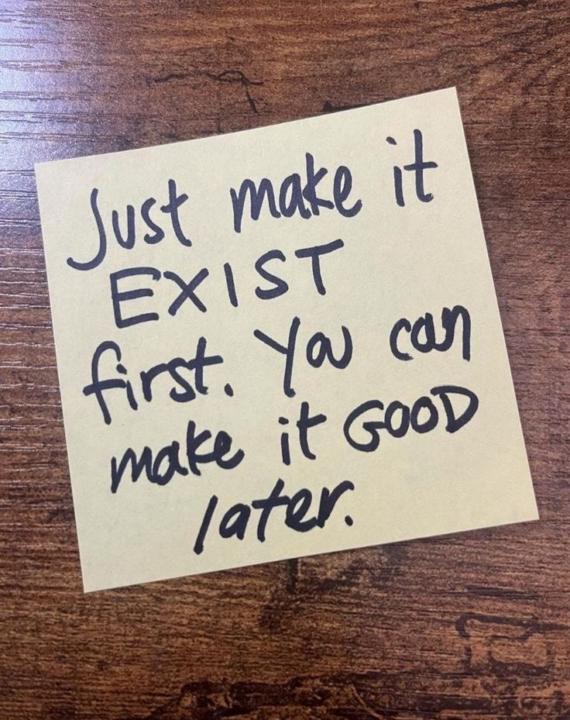
Great advice this is how I published my first book. Then went on to publish 6 more.
18h •
From Invisible to Influential: Building Your Professional Brand
Hosted By Americo Da Costa, Thu, Jul 16, 7:00 PM Please share this with someone you know network. Or come out yourself and bring your questions In this episode of The Storytelling Journey, we sit down with Heike Heemann, LinkedIn Visibility Strategist, Career Advancement Coach, and Founder of IdeaShare Coaching. Together, we'll explore the stories behind career reinvention, the importance of being seen and remembered in today's digital world, and how professionals can use LinkedIn not just as a networking platform, but as a stage for sharing their expertise and building meaningful connections
1 like • 7h
Sounds interesting for sure.
23h •
How Far Ahead Should We Plan Our Livestreams?
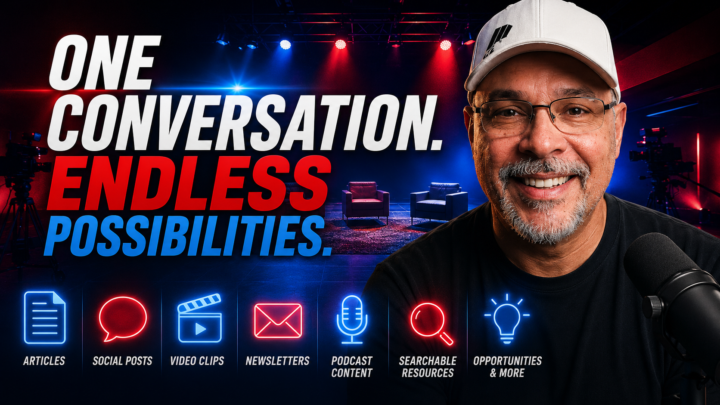
I was recently asked: "How far ahead do you plan your livestreams?" My answer is simple: It depends. Not because I don't have a process, but because every livestream serves a different purpose. Some livestreams are designed to spark conversation. Others are built to generate leads, elevate a guest's visibility, launch an initiative, or strengthen a personal brand. The planning timeline depends on what the livestream is meant to achieve. The Purpose of the Livestream; Is it a weekly interview series, a thought leadership discussion, a panel conversation, or a product-focused livestream all require different levels of preparation. The greater the objective, the more intentional the planning. The guest availability, one of the biggest variables. Some conversations come together quickly. Others require coordinating schedules weeks or even months in advance. When you're bringing in industry experts, founders, or thought leaders, the calendar often determines the timeline. The Visibility Strategy Going live is only one part of the equation. The real value comes from building awareness before the livestream and extending its reach afterward. If I want to maximize registrations, attendance, engagement, replay views, and content distribution, I need enough time to create momentum before we ever hit the "Go Live" button. The Production Requirements Some livestreams are intentionally simple. Others involve multiple guests, branded graphics, promotional assets, audience engagement strategies, and multistream distribution across platforms. The more moving parts involved, the further ahead I plan. The Business Goal Every livestream should support a larger objective. Are we building authority, growing a community, generating leads, strengthening customer relationships, creating strategic partnerships? The planning process should align with the outcome we're trying to create. My Rule of Thumb I've hosted livestreams with only a few days' notice. I've also planned livestream campaigns 30, 60, and even 90 days in advance.
1 like • 23h
@Americo Da Costa I am working on my website, no email list yet. I do have a fair number of engineers in my LinkedIn network who have met me and respect me.
1 like • 23h
I need to restart my LinkedIn newsletter I am already past 1000 subscribers I just don't publish.
17d •
Social Saturday July 11, 2026
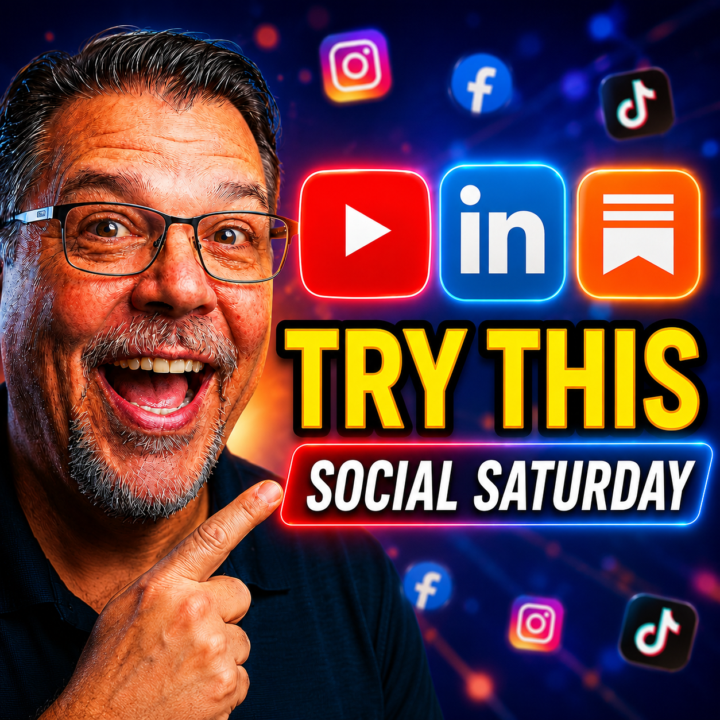
Hello everyone, Welcome to our Social Saturday. This is a wonderful way to get more visibility and engagement on our businesses, our offers and our freebies. Let's have some fun, lets follow, connect and engage to support one another. Participating is easy, drop you social links below and share a little background on what type of support your looking for.
1 like • 2d
LinkedIn is my go-to platform. I have my own Skool community I am seeking to grow (I updated my about section per your recommendations, while keeping some of my own flair). https://www.linkedin.com/in/alexivanovdoors/ I also have YouTube I hope to become more active in. https://www.youtube.com/@alexspeaks I help shy software engineers grow their personal brand to go from invisible to visible at whatever companies they happen to be at.
4d •
🎯 Friday Funnel Frenzy: The Discoverability Edition July 10th
Every Friday, we practice our pitches. But this week, let's test something even bigger... Would your offer show up in a search? Drop one of the following in the Marketplace category: ✅ Your elevator pitch ✅ Your offer description ✅ Your lead magnet ✅ Your event promotion ✅ Your Skool community ✅ Your service page Then answer this question: What would you want someone to find you for in Google, ChatGPT, Copilot, or AI search? For example: "I want to be found for LinkedIn coaching." "I want to be found for livestream production." "I want to be found for stress and burnout recovery." We'll collectively provide feedback on how discoverable your messaging is and suggest ways to make it clearer for both people and AI. Because visibility starts with showing up. Discoverability starts with being understood. 🚀 Drop your Funnel Frenzy submission below and let's see if your pitch is helping the right people find you.

0 likes • 3d
Found for transforming shy software engineers into confident leaders. Raising the Visibility of people across LinkedIn through the power of community.
0 likes • 3d
@Americo Da Costa really appreciate taking your time and providing real actionable content for me!
1-10 of 17
@alex-ivanov-7670
A shy software engineer transforms into a confident public speaker. I've lived the career success blueprint working for a large corporation.
Active 16m ago
Joined May 30, 2026
Boston, MA